Spread a thin layer of Goof Off over the affected area and sprinkle some baking soda onto the wet surface. Use a scrubbing pad on the site. The Goof Off helps lift the paint while the baking soda adds abrasion. Rinse the area thoroughly with clean water.
Does goof off remove deck stain from vinyl siding?
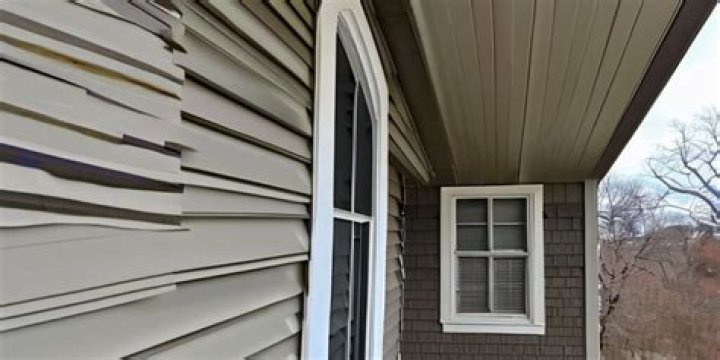
We tried to clean up the stain on the siding with mineral spirits and Goof Off. Now the finish has a nice glossy sheen to it. I would like that gone. I’ve used Goof Off, mineral spirits, and gasoline.
Is goof off safe on vinyl?
Goof Off® Professional is safe on some vinyl materials. Always try Goof Off® Pro Strength Remover in an inconspicuous test area first, as it can damage many synthetic surfaces.
Does acetone damage vinyl siding?
Watch out: don’t use solvents such as acetone, lacquer thinner, or mineral spirits to clean vinyl siding. They can dissolve and permanently-disfigure vinyl and other plastics.
Will Goo Gone damage vinyl?
Goo Gone Original is surface safe and can be used on carpet & upholstery, clothing, any hard surfaces including glass, laminate, metal, wood, plastic, vinyl, windows, ceramic, granite, flooring, countertops, tile and wood.
Is goof off and Goo Gone the same thing?
The key difference between Goo Gone and Goof Off is that Goo Gone is a mild citrus-based solution, and Goof Off is a potent acetone-based formula. Goo Gone is ideal for removing residue from stickers and tape, while Goof Off is better suited for heavy-duty messes like tar, dried paint, and glue.
What is a good substitute for Goo Gone?
Mix together two tablespoons of vegetable oil and three tablespoons of baking soda into a paste in a small, sealable container. The mixture is usable until it’s gone and doesn’t include any harsh chemicals or smells. To use, simply scoop a small dollop of sticky stuff and gently rub it with your fingers.
How do you remove dried paint from vinyl?
For old, dried up paint:
Use a scraper and remove the surface of the paint.Then use acetone paint remover or mineral spirits to scrub the area until the paint comes off.Once again, use a mixture of warm water and detergent to clean the area thoroughly.
Will vinegar hurt vinyl siding?
Yes, vinegar is also effective at cleaning vinyl siding, especially to remove mold and mildew. But make sure to dilute it with water first. We recommend a solution containing 70% water and 30% white vinegar. Does Clorox damage vinyl siding?
How do you use Goof Off paint remover?
To use, aim and directly apply Goof Off to the dried paint, then simply wipe away with a cloth. Watch as it immediately starts to work! Don’t fret the next time a stray drop of paint lands on your prized hardwood floors.
What is the best cleaner for vinyl siding?
BEST OVERALL: Mold Armor E-Z House Wash.RUNNER UP: 30 SECONDS Cleaners Hose End Sprayer Outdoor Cleaner.BEST FOR MILDEW: Wet & Forget Moss Mold Mildew & Algae Stain Remover.ALSO CONSIDER: Jomax Mildew Remover House Siding Cleaner Concentrate.
How do you clean vinyl siding without a pressure washer?
Using a garden hose, spray only the section of siding that you’re working on with water. Spray using a downward motion to avoid forcing water underneath the siding, where it could cause damage and rot. Using a scrub brush and the TSP/water cleaner, scrub the siding to remove the grime and dirt.
How do you get stains out of vinyl?
How to Remove Stains from Vinyl Flooring
Clean with water and baking soda. Clean with rubbing alcohol. Use a lemon to tackle discoloration. For stubborn stains, try bleach. Use mild liquid or dishwashing soap. Try WD-40 to eliminate scuff marks. Use a specialist vinyl floor cleaner.
Is goof off safe for vinyl windows?
Products like Goo Gone are sold specifically for removing adhesive residue, and many of these are safe for vinyl windows. Before you use the product, check to make sure it is safe for vinyl. Then do a small test on a part of the window that is inconspicuous.
Will mineral spirits damage vinyl siding?
Contrary to what many people think, mineral spirits will not harm vinyl siding. They will only do so if they are left to sit for more than the time indicated on the label.